

frameless bathroom wall mirror
The Pricing Dynamics of 1% 2% Inch Gate Valves Gate valves are a crucial component in various industrial applications, particularly in water, oil, and gas pipelines. Their primary function is to allow or block fluid flow and they are preferred in situations where minimal flow restriction is required. Among the various sizes available in the market, 1% and 2% inch gate valves are particularly popular due to their versatility and efficiency. Understanding the pricing dynamics of these valves is essential for both manufacturers and consumers. Market Trends Influencing Prices The price of 1% and 2% inch gate valves varies based on several factors, including material, size, brand reputation, and manufacturing processes. Typically, gate valves are made from materials such as brass, stainless steel, carbon steel, and PVC. The choice of material significantly affects the pricing. For example, stainless steel valves are generally more expensive than those made from brass due to their superior durability and resistance to corrosion. Additionally, brand reputation plays a significant role in price determination. Established brands with a track record of quality often command higher prices. This is because consumers are willing to pay a premium for reliability, which is paramount in industrial applications where valve failure can lead to costly downtimes and safety hazards. Bulk Purchasing and Market Access Another factor affecting the price of gate valves is the scale of purchase. Bulk purchasing often leads to discounts. Many suppliers provide cost-effective deals to businesses that require large quantities of valves for projects, thereby lowering the per-unit cost. For small companies or individuals, purchasing from local hardware stores may result in higher pricing due to lower volume sales and increased overhead costs. 1 2 inch gate valve price The accessibility of the valves in different markets can also impact pricing. Regions with high demand and limited supply may see increased prices, while areas with ample supply and competition may benefit from lower prices. Also, economic conditions, such as inflation rates and currency fluctuations, can affect material costs and subsequently the final pricing of gate valves. Features and Specifications Special features or specifications on gate valves, such as enhanced sealing mechanisms, automated functions, or specific certifications (like NSF for potable water) can also elevate their costs. Buyers looking for valves with specific features must be prepared to invest more; however, these features often provide additional reliability and longevity, making them a worthwhile investment in the long term. Conclusion As of late 2023, the price range for 1% and 2% inch gate valves can vary significantly based on the mentioned criteria. On average, prices may range from $20 to $300 or more per valve, depending on the specifications and materials used. Customers are advised to conduct thorough market research before making purchases. By comparing prices across various suppliers and considering the total cost of ownership, including maintenance and potential downtime, consumers can make informed choices that align with their operational needs and budget. In summary, the pricing of 1% and 2% inch gate valves is influenced by a multitude of factors, including manufacturing materials, brand reputation, quantity purchased, and additional features. Understanding these dynamics will not only aid consumers in making cost-effective purchases but also help manufacturers in positioning their products in an increasingly competitive marketplace. As industries continue to evolve, keeping an eye on trends and price fluctuations in the valve market will be key to successful procurement strategies.
about
frameless bathroom wall mirror
The Importance of Water Valves in Modern Infrastructure Water valves play a crucial role in the management and distribution of water, one of the most essential resources for life. Among the various types of valves used in plumbing systems, the 1% 201 2% water valve is a noteworthy example, offering a range of applications that enhance efficiency and reliability. Understanding the significance of these valves can provide insight into their impact on modern infrastructure and daily life. The Functionality of Water Valves At their core, water valves are devices that control the flow of water within a piping system. They can be used to start, stop, or modulate the water flow, making them integral to various applications, from residential plumbing to large-scale industrial systems. The 1% 201 2% water valve is specifically designed with features that facilitate precise flow control. These valves are constructed to handle different pressures, temperatures, and water quality conditions, making them versatile options for numerous environments. Their primary function is to regulate water distribution in a way that maximizes efficiency while minimizing waste. Applications in Infrastructure One of the primary applications of the 1% 201 2% water valve is in municipal water supply systems. These valves are used to manage the flow of potable water from treatment plants to homes and businesses. By ensuring that water is delivered efficiently, these valves help maintain a steady supply, which is critical for communities. 1 1 2 water valve Moreover, in irrigation systems, water valves play a vital role in agriculture. The 1% 201 2% water valve can automate the distribution of water to crops, ensuring that plants receive the appropriate amount of water without over- or under-irrigation. This capability not only conserves water but also enhances crop yields, contributing to food security. In industrial settings, these valves help manage water in manufacturing processes, cooling systems, and waste treatment plants. By regulating water flow, they ensure that operations run smoothly and safely. The ability to control water presence and pressure is particularly important in preventing damages and ensuring compliance with environmental regulations. Benefits of Using Efficient Water Valves The adoption of advanced water valves like the 1% 201 2% valve offers several benefits. One of the primary advantages is efficiency. By optimizing water flow, these valves reduce waste and energy consumption. For instance, they can help lower water bills for households and businesses, making their use economically appealing. Additionally, efficient water management contributes significantly to environmental sustainability. In a world where water scarcity is becoming increasingly prevalent, using valves that can enhance water conservation is essential. By minimizing leaks and ensuring that water is used where needed, these valves support efforts to protect this precious resource. Conclusion In conclusion, the 1% 201 2% water valve exemplifies the critical role that water valves play in contemporary infrastructure. From municipal supply systems to irrigation and industrial processes, these valves ensure the efficient and effective management of water resources. Their ability to control flow not only promotes economic savings but also advances sustainability efforts in a world where water is becoming a precious commodity. As we continue to navigate the challenges presented by climate change and population growth, the importance of such mechanisms in maintaining our water systems cannot be overstated. Investing in quality water valves is investing in a sustainable future for generations to come.
-

High quality industrial productsagement

High quality industrial products
View Details -

Meet the diverse needs of customers

Meet the diverse needs of customers
View Details -

Strict quality control

Strict quality control
View Details -

Top raw materials

Top raw materials
View Details -

Trusted supplier

Trusted supplier
View Details
Our application

news and information
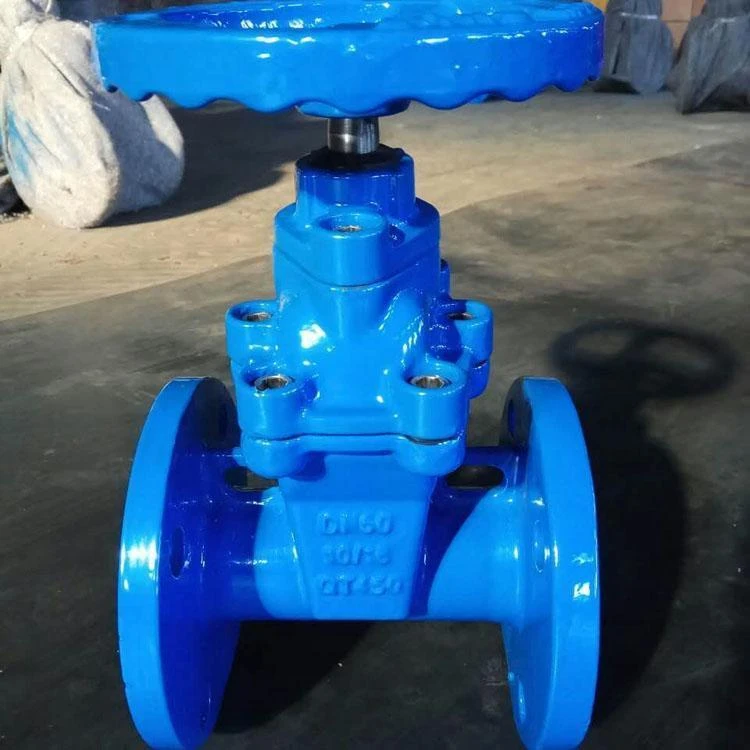
water cut off valve
Understanding Water Cut Off Valves Essential Components for Effective Water Management Water cut off
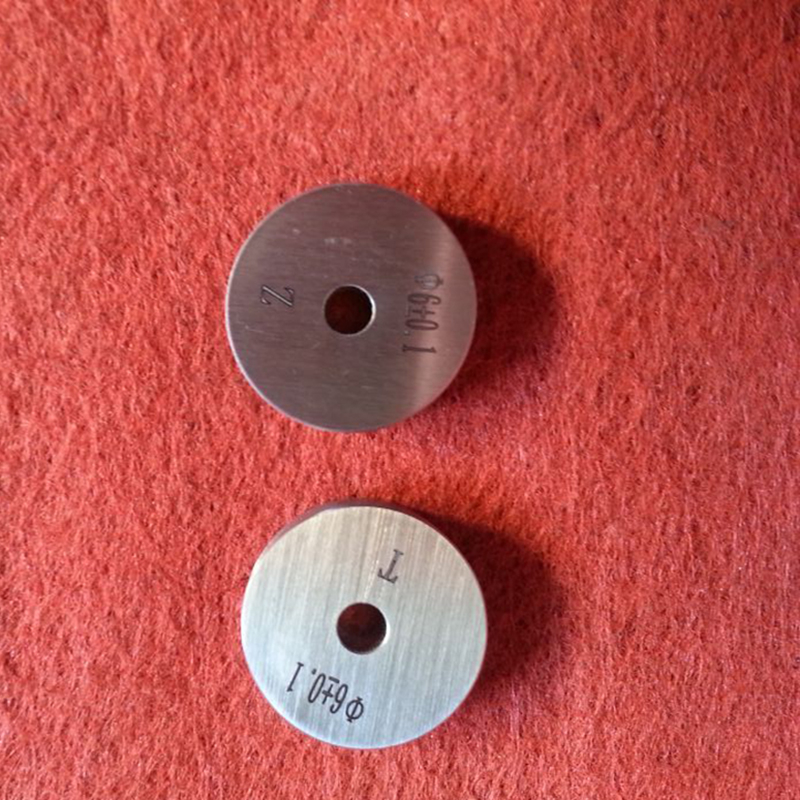
Wood Connectors and Brackets for Building Strong and Durable Wooden Structures and Projects
Brackets for Connecting Wood An Essential Tool for Any Woodworking Project When it comes to woodwork
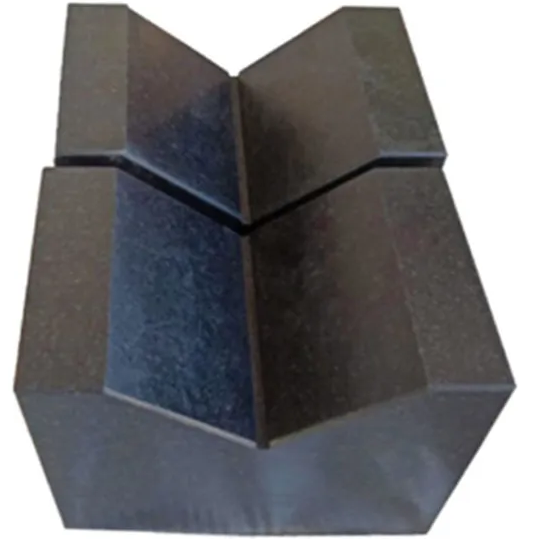
Uso del medidor de anillo en la evaluación de dimensiones de referencia.
El uso de calibres de anillo (ring gauges) es una práctica esencial en la industria de la construcci
 English